Handre
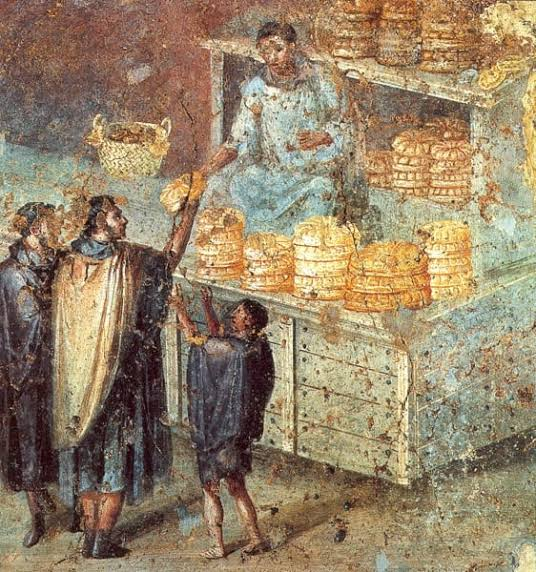
Picture a baker in Rome around 100 BC. He joins a collegium of fellow bakers, pays his dues, shares recipes, buys grain in bulk, and settles disputes with his peers over a cup of wine. Nobody forced him. He walked in because it paid to, and he could walk out the same way. That is a voluntary association, and it worked precisely because it was voluntary. Then the state arrived. By the reign of Trajan, and hardening under Diocletian and Constantine, the collegia stopped being clubs and became conscription lists. The emperors discovered something every ruler eventually discovers: a private guild is an inconvenient thing to tax and command, but a licensed monopoly is a beautiful thing to milk. So they licensed them. The pistores (the bakers) received legal privileges, guaranteed grain supplies, even exemptions from certain public duties. Generous, no? The price came due fast. Membership turned hereditary. Your father baked bread for the annona, so you would bake bread for the annona, and your son after you. The collegium became a caste. Diocletian's Edict on Maximum Prices in 301 AD then fixed what you could charge, which meant you produced at a loss or you didn't produce at all. Bakers fled their ovens. Shippers abandoned their vessels. The emperors responded by chaining men to their trades by law. Watch the mechanism, because it repeats across every century. The state grants a privilege. The privilege comes with a leash. The leash tightens until the "beneficiary" is a serf holding a charter. Free market thinkers have a name for the exchange the emperors offered: protection from competition in return for obedience. The baker who once set his own prices and hired whom he pleased now answered to a prefect. His guild, born to serve him, now served Rome. The bread got worse.