Haviv Rettig Gur
Well said. Those pointing out the downsides of the deal are correct. But we will get some of our people home. And then, as always, whether our enemies thrive or fall, whether the downsides prove temporary or permanent, will depend on the quality and wisdom of our leaders. If
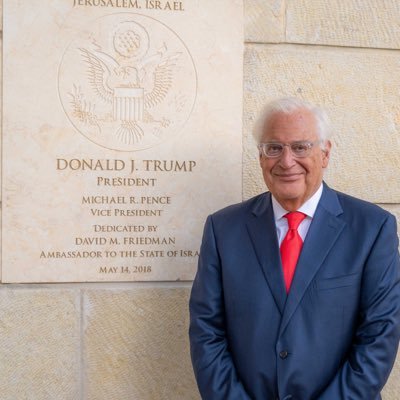
David M Friedman
I am not smart enough to second guess a decision of the Prime Minister of Israel to make a deal for the return, albeit phased, of the hostages — especially when (1) that decision is endorsed by leadership of the IDF, the Shabak and the Mossad, (2) I have not been privy to the negotiations and don’t fully appreciate all the risks and benefits, and (3) the deal will not require Israel to end the war. I understand that reasonable minds may differ — this an agonizing and extremely difficult decision. Obviously, rescuing the hostages or making a deal for their return without freeing terrorists would be far better. But 15 months have passed and that does not appear to be achievable. I respect different points of view. What I respect far less is the certainty among some well meaning folks that this is a huge mistake. It may turn out to be a mistake, it may turn out to be exactly the right move. But, either way, let’s approach this with the humility, analysis, respect and compassion that such an extraordinarily difficult problem requires.