Haviv Rettig Gur
Amen. Well said.
Isaac Choua
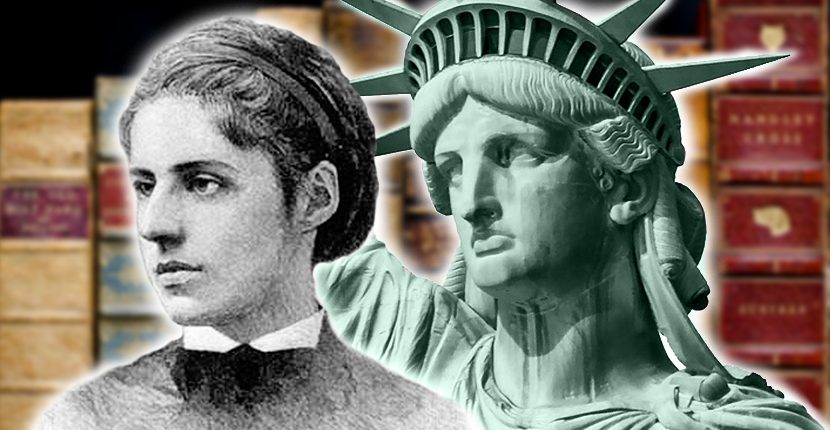
When you strip a poem from its historical and cultural context, you end up saying things like this. Emma Lazarus wrote The New Colossus in 1883, not as an open-borders slogan, but as an affirmation of what America was at the time: a land of opportunity, not handouts. There was no welfare state when immigrants arrived in the late 19th and early 20th centuries. They came to work, build, and integrate—not to be subsidized. About 30% didn’t make it and returned home. The welfare state as we know it didn’t exist until FDR’s New Deal in the 1930s, and it didn’t expand significantly until LBJ’s Great Society programs in the 1960s. Acting as if Lazarus' words were some proto-welfare propaganda is either historical ignorance or deliberate misrepresentation. And for the dumb groyper “noticing” in the comments—yes, she was Jewish. Her ancestors were among the 23 Jews who fled the Inquisition in 1654, landing in New Amsterdam before it was even called New York. Fleeing persecution, just like many Christian minorities did. Her poem likely greeted most of your ancestors at Ellis Island. But here’s the key difference: those who stayed didn’t just come; they built. Irish, Italian, Jewish and other communities didn’t expect the government to sustain them. They built their own schools, hospitals, synagogues, churches, and mutual aid societies. They came to work, to contribute, and to become Americans. Lazarus understood this. She wasn’t just a poet—she helped found the Hebrew Technical Institute, a vocational school that trained Jewish immigrants to be self-sufficient, not a burden on the economy. In Judaism, charity isn’t about handouts—it’s about giving people the tools to stand on their own feet. Her words weren’t an afterthought slapped onto the Statue of Liberty. They were part of the fundraising effort for the pedestal, later affixed in 1903. The statue may have been a gift from France, but the foundation—and the words—were distinctly American. When you read the full poem, it’s a dunk on Europe while taking a "gift" from Europe—which is about as American as it gets: "Keep, ancient lands, your storied pomp!" The whole idea was that America would be something different. Immigration wasn’t the issue—immigration that refused to become American was. The people Lazarus wrote about didn’t arrive expecting a government safety net. They came to work, to build, and to become Americans.