Imshin
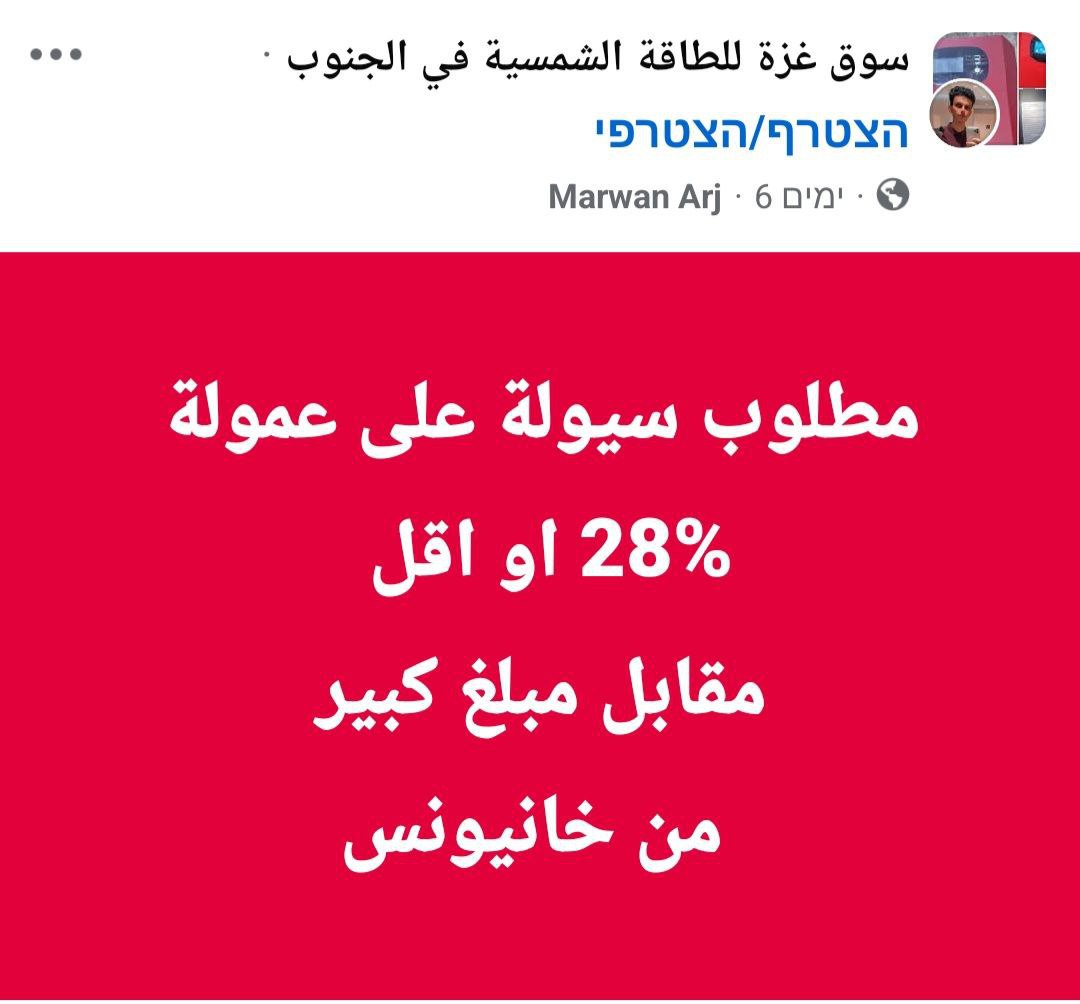
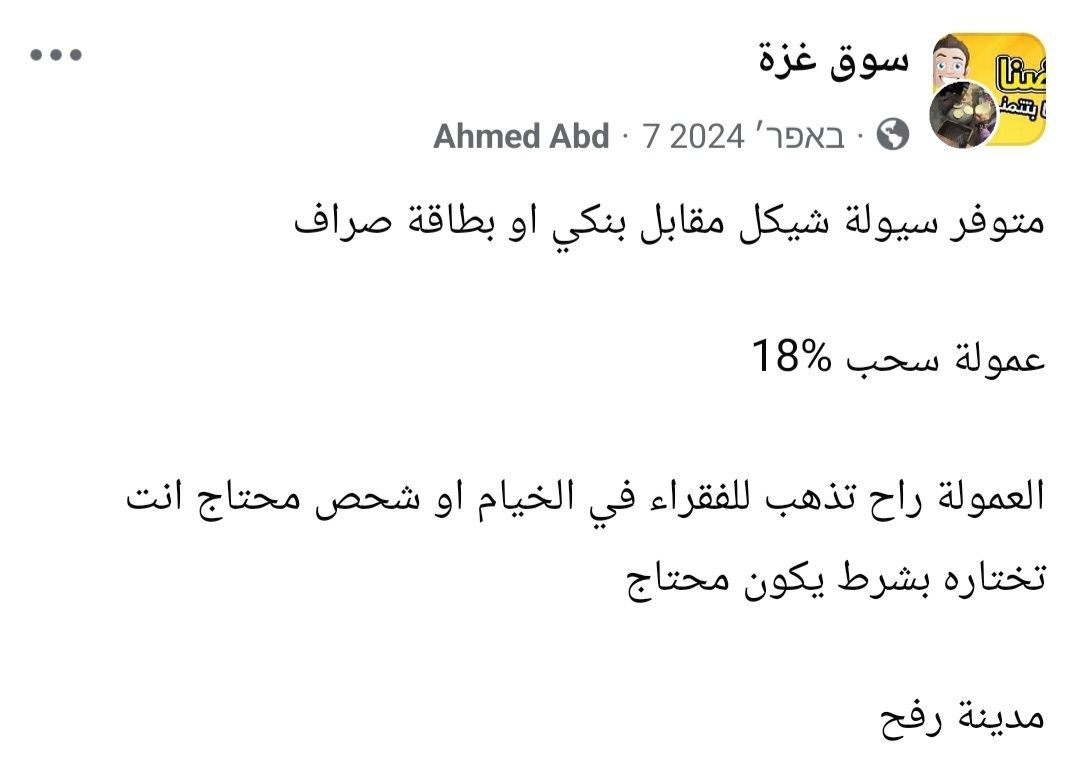
Abu Ali on Telegram: 1/ "How Would Replacing 200 Shekel Bills Affect the Gaza Strip and Hamas? Two days ago, Israeli Foreign Minister Gideon Sa'ar presented a proposal to undermine Hamas's financial assets by canceling certain series of 200 shekel bills that were smuggled into Gaza, or by replacing the old bills with new ones (for example, in a different color). Only individuals who possess the old bills would be able to exchange them at banks in Israel - a step Hamas would be unable to take. The response from the Bank of Israel, which has the authority to make such decisions (as reported by Israeli economic journalists): "Canceling the bill is not under consideration! The authority to cancel banknotes according to the law lies with the Governor of the Bank of Israel. Despite the topic being raised, no sufficiently well-founded professional justification for canceling any particular bill has been presented to the Governor thus far. The proposals raised by various parties do not meet any professional standard." I admit I’m not an economist, but I can shed some light on the state of cash in Gaza during the months of war, and will provide some examples to support what I’m describing. I will focus solely on the proposal to replace existing banknotes with new ones (not to cancel them outright, but rather to exchange one for another) —for example, using a different color, as has already been done in the past (the red 200 shekel bills were replaced with blue ones): During the months of war, the liquidity crisis in Gaza has significantly worsened. There is a severe shortage of physical cash. "Cash is king." I’ll soon attach examples from recent days on social media showing that the fee to convert digital funds into physical cash - what we’ll call a "liquidity fee" - ranges in Gaza from 10% to 28% of the transfer’s value. For instance, a person who receives a 100 shekel donation from abroad into their bank account will lose 10 to 28 shekels just to get it in cash. Foreign donations to Gaza are very common, as you've seen repeatedly on this channel. Many "digital millionaires" have been created in Gaza during the war (such as the journalist-clown Saleh al-Jafarawi, aka Mr. FAFO). The money is transferred digitally (not in cash). Salaries paid by the Palestinian Authority to its personnel in Gaza are also not transferred in cash but directly into bank accounts, meaning each salary recipient pays an additional "cash tax." Beyond that, there’s significant wear and tear of cash. Bills deteriorate, and since there’s no circulation or inflow of new cash from Israel, the total cash volume shrinks further, making physical money even more valuable. Gazan users have repeatedly shared (also published here on the channel) about "workshops" for repairing worn-out bills. It’s a real issue. Also, I reported in recent months on this channel on an interesting phenomenon: merchants in Gaza have declared a boycott on 10 shekel coins. It began out of suspicion of counterfeits and became widespread - today, if you have a 10 shekel coin in Gaza, there's not much that you can do with it. I’ll soon attach a video from just a few days ago where a Gazan man says there are merchants who now refuse to accept 20 shekel bills. Gazans fear that what happened to the 10 shekel coin will also happen to the 20 shekel note. This creates enormous difficulty in the market. Barter transactions are becoming more common - people who hold flour trade it for sugar. Goods themselves have become a means of exchange. Hamas holds a large amount of cash, as it controls both the commodity market and the monetary system in Gaza. It is safe to assume that a significant portion of Hamas’s cash reserves are held in 200 shekel bills. An Israeli declaration that all blue 200 shekel bills will lose their value unless exchanged for a new note at an Israeli bank could collapse Gaza’s cash economy in an instant. #TheGazaYouDontSee >>>>